POW/MIA Day & Former POW, Louis Zamperini
by Sally Matheny
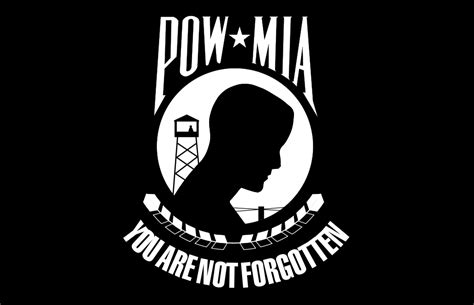
In recognition of POW/MIA Day, I want to share with you a little about our POWs, with a special focus on former WWII POW, Louis Zamperini.
The recognition day, held on the third Friday of each September, is a time for Americans to remember those who served in our country’s armed services and were prisoners of war or missing in action.
“At present, 82,000 Americans remain missing from WWII, Korean War, Vietnam War, Cold War, Gulf Wars, and other conflicts.” – The Defense POW/MIA Accounting Agency.
72,823 of this number are WWII American service personnel who have not been recovered. 5,626 of those came from California. But one WWII POW from Torrance, California who did return home, was Louis Zamperini.
The Movie, Unbroken: Path to Redemption
It’s fitting that the movie about Louis Zamperini, Unbroken: Path to Redemption, was released one week prior to 2018’s POW/MIA Recognition Day.
Unbroken: Path to Redemption chronicles what life was like for the former Olympic runner and WWII Army bombardier after he returned home from the war.
The movie offers brief glimpses of his life before the war and painful flashbacks to his time in it. But the film’s primary focus is Zamperini’s amazing life experiences after the war.
Books About Zamperini
Several books have been published about Louis Zamperini. On my to-read list is Devil at My Heels, written by Zamperini and David Rensin.
I have read and thoroughly enjoyed Laura Hillenbrand’s book, Unbroken. High school students will benefit from it as well, even though some of Zamperini’s POW experiences are emotionally difficult to read.
However, for middle-grade and younger students, I recommend Janet and Geoff Benge’s Heroes of History book, Louis Zamperini: Redemption. I gathered some interesting background information for you from this book.

Zamperini the Runner
“Louie” was well-known in Torrance even before his Olympic running days. Outrunning the Torrance police gave young Louie early practice. Lying, smoking, drinking, fighting, stealing—Louie was out of control before the age of thirteen.
Bullied during most of his childhood, Louie chose to treat others the same way.
One time a baker reported him for stealing pies. The guilty Louie didn’t apologize. He got revenge. He tracked down the baker and beat him up.
In high school, Louie grew weary of people telling him what to do, so he ran away from home. A short yet horrible experience of living the hobo life of hopping trains quickly brought Louie back home.
With help from his older brother, Pete, Louie learned to put his talents and energy into running high school track.
And run he did, all the way to the Summer Olympics held in Hitler’s Germany in 1936. He placed eighth in the 5,000-meter and set a record for the fastest final lap: 56 seconds. Impressive even to Hitler, who spoke to Louie after the event.
After returning home, Louie began intensive training, planning to win at the 1940 Olympics in Tokyo.
However, World War II canceled the Olympics, but Louie still made it to Tokyo—as a prisoner of war.
Zamperini the POW Survivor
After surviving a horrific plane crash followed by forty-seven gruesome days in a life raft, Louie was rescued from the sea–by the Japanese.
The next two years unleashed indescribable atrocities for Louie as he was brutalized in one POW camp after another.
Finally, after the war ended, Louie was liberated, but he would continue to suffer mentally and physically after returning home.
Self-medicating with alcohol, Louie could not find peace. All he had was hatred and a desire for revenge.

Forgiven and Forgiving
Louie Zamperini experienced love from his own family, especially from his brother, Pete. Louie also found love with Cynthia Applewhite, his bride of fifty-five years.
But neither Peter nor Cynthia could give Louie the kind of love that would cease the hatred and torment within himself.
Then, thankfully, Louie found that kind of love in Jesus Christ, whom he accepted as his Lord and Savior during a Billy Graham tent revival. For Louie, his PTSD, the nightmares, and the hatred left the moment he released it all to Christ.
Louie went on to become an inspirational speaker and a missionary to Japan.
Can you imagine the power of that moment when Louie returned to Japan to face his Japanese tormentors? This is one of my favorite parts of his story. He chose to forgive the war criminals long before he met them again in 1950. They were now prisoners in one of the prisons where they had tortured Louie years before. Louie spoke about God’s love and forgiveness, as well as his own, to over eight hundred men that day.

Freedom
We can’t imagine the pain and suffering of POW/MIA personnel or what their families must have endured, perhaps still endure.
We can only show our appreciation for their sacrifices by cherishing the freedoms they fought for.
May all those who have served our country and suffer from PTSD find peace and freedom like that of Louie Zamperini.
And may we never forget our POW/MIA.
Statistics for this blog post came from the Defense POW/MIA Accounting Agency.
Other sources: Unbroken by Laura Hillenbrand; Louis Zamperini: Redemption by Janet and Geoff Benge.

Motivated by the power of story, history, and His Story, Sally Matheny’s passion is telling the next generation wondrous things.
Her nonfiction writing appears in national and worldwide publications, including Appleseeds, Clubhouse Jr., Homeschooling Today, and The Old Schoolhouse.
She and her husband live in the foothills of the Blue Ridge Mountains and are blessed with three children, two sons-in-law, and armfuls of grandbabies. Connect with Sally on several social media sites, but her favorite hangouts are at SallyMatheny.com and Pinterest.




2 Comments
Karen
Important and powerful post, Sally. Thank you!
Sally Matheny
Thanks for stopping by, Karen. I hope you’ll get a chance to go see “Unbroken: Path to Redemption.” I think you’ll like it. 🙂